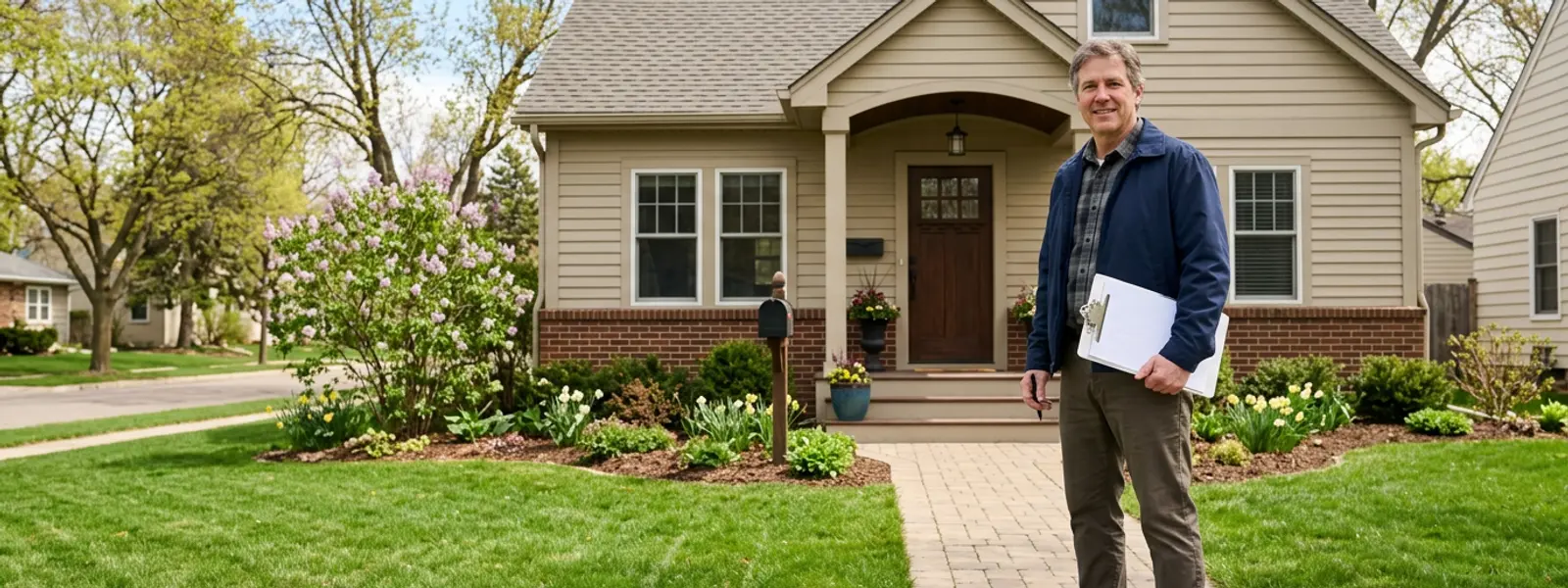
A home inspection is one of the most important (and most misunderstood) steps in buying a home. It is not a pass/fail test, and it is not the same thing as the appraisal your lender orders. Instead, it is a professional, visual evaluation of the home’s major systems and structure so you can make an informed decision before closing.
In this 2026 guide, we’ll walk through what to expect on inspection day, what inspectors typically do (and do not) review, what inspections often cost, and—most importantly—how to turn a long report into a clear plan you can use to negotiate or budget for repairs.
What a home inspection is (and what it isn’t)
A home inspection is a limited, non-invasive evaluation of a property’s visible condition. Most inspections follow an industry Standard of Practice that focuses on the home’s big-ticket items: structure, roof, mechanicals, electrical, plumbing, and ventilation.
It is also important to know the limits. A standard inspection is not technically exhaustive, won’t identify hidden defects behind finished surfaces, and doesn’t determine the home’s market value. And it typically does not include specialized testing such as radon, mold, asbestos, sewer scope, or well/septic evaluations unless you add those services.
Inspection vs. appraisal: why you need both
If you’re getting a mortgage, your lender will require an appraisal to confirm the home’s value supports the loan. The appraiser is not there to find every maintenance issue; they focus on value and basic property condition. Your inspection is for you: it’s the deeper look at how the house is functioning today.
What inspectors typically look at
While every home and every inspector is different, a standard residential inspection usually reviews the major systems and components below.
- Roofing: shingles/coverings, flashing, penetrations, gutters, and visible signs of leaks
- Exterior: siding, trim, grading, drainage, decks, steps, and visible water intrusion
- Foundation/structure: basement or crawlspace, framing, support posts, and signs of settlement
- Electrical: main panel, visible wiring, outlets, GFCI/AFCI where applicable, and safety concerns
- Plumbing: visible supply and drain lines, water heater, fixtures, and functional flow/drainage
- Heating and cooling: furnace/boiler/heat pump, A/C, distribution, and basic operation
- Attic/insulation/ventilation: insulation levels, venting, moisture staining, and air flow issues
- Interior: windows, doors, floors, walls/ceilings (visible issues), and built-in systems
- Fireplace (if present): visible condition and basic operation within the inspector’s scope
Inspections are visual by design. Inspectors generally do not move stored items, open sealed areas, or perform destructive testing. That’s why buyers often add targeted tests when the home’s age, location, or history suggests elevated risk.
How much does a home inspection cost in 2026?
Costs vary by home size, location, and what add-ons you choose. As a national reference point, HomeAdvisor reports an average home inspection cost of $343, with most homeowners paying between $296 and $424 (2025 data). Use that as a baseline, then ask local inspectors what’s included and what extra services cost.
Common add-ons that may be worth pricing out include radon testing, sewer scope, mold testing, well and septic inspections, and chimney evaluations. In Minnesota, many buyers also prioritize radon (because it’s common in the Upper Midwest) and sewer scopes for older neighborhoods.
How to prepare for inspection day
A little preparation can make inspection day more productive. If you’re buying, you can’t control how the home is set up—but you can control your process.
- Attend the inspection if possible: you’ll learn more in two hours on-site than from 60 pages of notes
- Bring questions, not assumptions: ask what’s urgent, what’s typical maintenance, and what can wait
- Take your own photos: especially of the main panel, HVAC model/serial tags, and any moisture staining
- Ask about the biggest-ticket risks: roof, foundation movement, electrical panel condition, and HVAC age
- Confirm add-ons in advance: radon kits and sewer scopes often require scheduling
The most common issues that show up on reports
Inspection reports are long because inspectors document everything they see. Many items are minor, but patterns matter. The National Association of Realtors highlights frequent report themes such as structural or foundation issues, electrical concerns (including older panels or certain wiring types), plumbing issues, HVAC systems, safety issues, and drainage problems.
Here’s a practical way to think about findings: classify them into (1) safety, (2) water, (3) structure, and (4) function. Issues in these buckets tend to be the ones buyers regret ignoring.
A simple 3-bucket system for reading your report
When you get the report, it can be overwhelming. Try sorting items into three buckets before you talk to your agent or lender.
Bucket 1: Safety and health
These are items that could hurt someone or create immediate hazard. They often justify repair requests because they are objective and urgent.
- Missing handrails or loose stair treads
- Exposed wiring, double-tapped breakers, or unsafe panel conditions
- Active gas leaks or improper combustion venting
- Severe mold-like growth (may require specialized evaluation)
Bucket 2: Water and moisture management
Water is the most expensive long-term enemy of a home. Moisture issues can drive structural damage, indoor air quality problems, and higher maintenance costs.
- Roof leaks, damaged flashing, or staining in the attic
- Negative grading or downspouts dumping water at the foundation
- Basement seepage, efflorescence, or elevated humidity
- Improper bathroom/kitchen venting
Bucket 3: Big-ticket lifespan items
Some items aren’t emergencies, but they affect your budget. The key is understanding timing: what’s near end-of-life, what’s mid-life, and what’s unknown.
- Roof age and remaining life
- Furnace/boiler/heat pump age and service history
- Water heater age and venting
- Windows with failed seals or chronic drafts
How to negotiate after the inspection
A strong negotiation strategy is specific, realistic, and focused. Sellers are more likely to say yes to a short list of high-impact items than a request to fix everything on the report.
Step 1: Decide what you actually need
Ask yourself: Would I walk away if this isn’t addressed? If the answer is no, it may be better as a budget item rather than a repair demand.
Step 2: Prioritize objective items
The easiest repairs to negotiate are those tied to safety, water intrusion, or a clearly non-functioning major system. Cosmetic upgrades usually don’t belong in inspection negotiations.
Step 3: Choose the right ask
Common options include (1) seller repairs by a licensed contractor, (2) a seller credit at closing, or (3) a price reduction. In competitive markets, credits can be simpler because they reduce the risk of last-minute contractor delays.
Step 4: Coordinate with your lender early
Not all credits or repairs are treated the same in underwriting. If you’re requesting a credit, confirm with your loan officer how it will be applied (closing costs, prepaid items, or rate buy-down) so you don’t accidentally create a financing issue.
Special situations to consider in Minnesota
Every area has its own housing stock and seasonal realities. In Minnesota, buyers often pay extra attention to ice dam history, attic insulation/ventilation, grading and drainage (snowmelt has to go somewhere), and radon testing. Older homes may also benefit from a sewer scope, especially if the original line is clay or cast iron.
Common myths about inspections
Myth: A home ‘fails’ inspection.
Reality: Inspections don’t grade a home; they document condition. The decision is yours.
Myth: New construction doesn’t need an inspection.
Reality: New homes can still have issues (grading, drainage, HVAC setup, or incomplete items). Many buyers do a pre-drywall inspection and a final inspection.
Myth: If the appraisal comes back fine, the house is fine.
Reality: The appraisal is for value; the inspection is for condition.
How your inspection affects your mortgage process
Your lender typically won’t require an inspection report, but the inspection can influence your timeline. If the report triggers renegotiation, contractor bids, or additional specialty evaluations, you may need more time before closing. That’s why it’s smart to schedule the inspection as soon as you’re under contract.
A quick inspection-day checklist (print this)
- Confirm inspector licensing/credentials and what Standard of Practice they follow
- Ask how they document issues (photos, thermal imaging, moisture meter, etc.)
- Request approximate ages for roof/HVAC/water heater if visible
- Identify the home’s main shutoffs (water, gas, electric)
- Ask for ‘top 5 concerns’ in plain language before you leave
- Ask what additional testing (radon, sewer scope) they recommend for this specific property
Next steps: turn the report into a plan
After the inspection, your goal is a simple plan: what must be fixed now, what you’ll budget for in year one, and what you’ll monitor over time. If you’d like help understanding how inspection outcomes might affect your financing (credits, closing costs, timelines, and the best way to structure the deal), Davis Monroe Financial, LLC is here to help.
Call Davis Monroe Financial at (320) 200-5126 or visit www.mydmf.com to talk through your options and get a clear, buyer-friendly mortgage plan.